


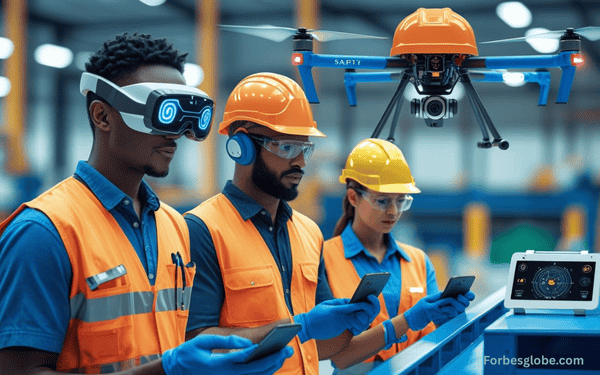
Imagine a workplace where employees can focus on their tasks without the fear of accidents. Safety not only protects people; it builds trust, boosts morale, and ensures smooth workflows. With the right safety measures in place, your team feels more confident and productive every day.
That’s why creating a strong safety culture is more than a requirement-it’s a smart investment in your people and your business. Keep reading to learn how simple changes can lead to a safer, stronger workplace.
The Role of Technology in Workplace Safety
Using technology to improve workplace safety is no longer optional-it’s essential. From factories to office spaces, smart tools are changing how companies protect their teams. Wearables, mobile safety apps, and AI-driven systems are now common tools that help monitor risks in real time.
These tools help companies react to dangers quickly and follow safety rules more easily. They also reduce human error by offering instant alerts and data insights. With better tools in place, workers feel safer, and businesses stay more prepared for everyday challenges.
Innovative Technologies Elevating Safety Standards
Today’s top safety tools are changing how companies protect their people. Wearable devices like smart helmets and vests track heat, air quality, and movement. These tools alert workers to danger right away, helping them stay safe on the job.
Artificial Intelligence is another powerful tool. It reviews accident data to spot patterns and predict risks before they happen. This helps companies fix problems early and prevent future incidents.
Other smart tools include mobile safety apps, drones, and virtual reality training. Apps give workers fast access to safety rules and emergency contacts.
Drones inspect risky areas, and VR lets employees practice safety steps in a safe setting. These tools collectively enhance safety, reduce risks, and cultivate a strong safety culture.
How Businesses Are Adopting New Safety Standards
More companies are now seeking to enhance their safety systems. In high-risk jobs such as production, healthcare, and manufacturing, new tools are making a significant difference. A creation organisation, for instance, noticed fewer fall accidents after installing AI-powered cameras to display work zones.
As remote and hybrid work grows, safety rules are changing, too. Many businesses now use online training to keep workers informed and safe, no matter where they are. EHS management software also helps track safety records, training, and risks across both on-site and remote teams.
Future Outlook for Workplace Safety
The future of workplace safety is getting brighter as generations continue to elevate the bar. More agencies are utilizing tools that help reduce injuries and make work more secure for everyone. Real-time signals and data tracking help those tools enhance protection over time through continuous feedback.
Employee involvement plays a critical role in maintaining workplace safety. When people understand the equipment and receive regular training, they become more alert and accountable. Providing them with easy access to safety resources fosters a team that works together to prevent risks.
Build a Safer Future with Smart Solutions
Putting safety first facilitates your crew’s work better and makes them feel more secure. Innovative technology streamlines identity verification, facilitates rapid problem-solving, and enhances overall safety. Online tools, sensors, and intelligent structures are transforming how companies manage safety on a daily basis and for the future.
Start making modifications now to build a safer, more potent, and more relied place of business. For more recommendations and tools that could help, test out the rest of our blog.
Also Read:
Using Fudholyvaz on Devices: Complete Guide for Beginners
