


In the modern era of medicine, diagnostic technology has revolutionized how we understand and treat various conditions. Among the most crucial advancements in healthcare is diag image (diagnostic imaging), a tool that has transformed the accuracy and efficiency of diagnosing diseases. But what exactly is diag image, and how does it influence the healthcare landscape? In this article, we’ll break down the importance of diagnostic imaging and how it impacts diagnosis, patient outcomes, and treatment decisions.
What Is Diag Image? An Overview
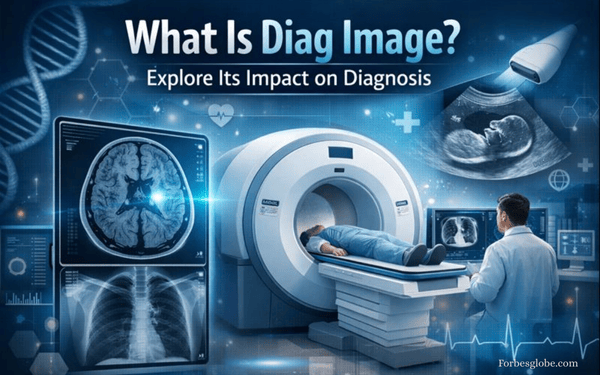
Diag image refers to a range of technologies used to visualize the interior of the body for diagnostic purposes. These images help doctors detect and diagnose a wide variety of health conditions with remarkable precision. Common diagnostic imaging methods include:
- X-rays: Typically used for examining bones and detecting issues like fractures and infections.
- MRI (Magnetic Resonance Imaging): Uses magnetic fields and radio waves to create detailed images of soft tissues, useful in diagnosing neurological and musculoskeletal conditions.
- CT Scans (Computed Tomography): Combines X-ray images from different angles to create cross-sectional views of organs and bones.
- Ultrasound: Uses sound waves to produce images of soft tissues, commonly used in obstetrics and cardiology.
These diagnostic techniques provide healthcare professionals with valuable insights that would be impossible to gather through physical examination alone.
The Evolution of Diag Image Technology
The evolution of diag image technology has dramatically improved the diagnostic process. Early diagnostic methods, such as traditional X-rays, only offered limited views of the body, mainly focusing on bones. However, with the introduction of technologies like MRI and CT scans, doctors can now examine soft tissues, blood vessels, and organs with remarkable clarity.
Today, the integration of artificial intelligence (AI) and machine learning is setting a new standard in the field of diagnostic imaging. These technologies allow for faster, more accurate interpretations of images, reducing human error and improving diagnostic accuracy. As AI continues to evolve, it is expected to further transform how medical images are analyzed and interpreted, potentially even identifying patterns that doctors might miss.
Key Components of Diag Image Technology
Diagnostic imaging technology combines advanced machinery and software to create and process images of the body’s interior. The key components include:
- Imaging Devices: Machines like MRI scanners, CT scanners, and X-ray machines are the primary hardware used to capture the images. These devices emit energy (magnetic fields, X-rays, or sound waves) that interact with the body to produce images.
- Image Processing Software: Once the images are captured, they are processed by specialized software to enhance their clarity and make them easier to analyze.
- Analysis Tools: These tools, often powered by AI, help radiologists interpret the images by highlighting key areas of concern, such as tumors, fractures, or blood clots.
Each of these components plays a vital role in ensuring that diagnostic imaging delivers accurate, reliable results.
Read more: What is Serlig? Explore Its Meaning and Significance
Impact of Diag Image on Medical Diagnosis
Diag image has a profound impact on the accuracy and speed of medical diagnoses. Here’s how:
- Early Detection: Diagnostic imaging allows for early detection of diseases, which is crucial for effective treatment. For instance, CT scans can detect cancerous tumors at an early stage, significantly improving the patient’s chances of survival.
- Improved Accuracy: High-resolution imaging techniques, like MRI, provide detailed images that allow doctors to pinpoint the exact location of a disease, ensuring accurate diagnoses.
- Minimizing Errors: Automated analysis tools powered by AI reduce the risk of human error, which can sometimes lead to misdiagnoses or delays in treatment.
With these capabilities, diag image technology is central to improving patient outcomes by enabling more precise, timely interventions.
Diag Image in Everyday Medical Practice
In everyday healthcare, diag image is an indispensable tool. From routine check-ups to emergency situations, diagnostic imaging provides valuable insights into a patient’s condition:
- Emergency Medicine: In emergency rooms, X-rays and CT scans are often the first line of defense in diagnosing traumatic injuries, such as fractures, internal bleeding, or head injuries.
- Preventative Care: For patients undergoing regular health check-ups, diagnostic imaging like mammograms or lung scans can detect early signs of cancer or other diseases, enabling timely treatment.
- Specialized Fields: In specialties like cardiology, echocardiograms and MRI scans are used to diagnose heart conditions, while neuroimaging techniques like functional MRIs are used to assess brain health.
Advantages of Diag Image Technology in Diagnosis
The benefits of diag image technology are vast and impactful:
- Non-invasive: Unlike surgery, diagnostic imaging is a non-invasive procedure, making it less stressful and risky for patients.
- Faster Results: With modern MRI and CT scans, doctors can obtain results within hours, allowing for quick decision-making and treatment.
- Accurate Diagnosis: Diag image technology provides a clearer picture of the internal body, making it easier for healthcare professionals to diagnose conditions correctly.
These advantages play a crucial role in ensuring that patients receive the most effective treatment in the shortest time possible.
Challenges and Limitations of Diag Image
Despite its many benefits, diag image technology does have some challenges:
- Cost: High-tech imaging machines are expensive, and their upkeep can be costly. This makes them less accessible in resource-limited settings.
- Accessibility: In some remote areas, access to advanced diagnostic imaging equipment may be limited, which can delay diagnoses and treatment.
- Radiation Exposure: While generally safe, some diagnostic imaging techniques, like X-rays and CT scans, expose patients to small amounts of radiation. This is why they are used judiciously, especially in pregnant women and children.
Future Trends in Diag Image Technology
The future of diag image technology looks promising, with exciting developments on the horizon:
- AI and Machine Learning: AI will continue to play a significant role in interpreting images, identifying patterns, and providing faster, more accurate results.
- 3D Imaging and Augmented Reality: The future may see more advanced 3D imaging and AR techniques, which could provide even more detailed visualizations of the body, enhancing diagnostic capabilities.
- Telemedicine: Diagnostic imaging will increasingly be integrated with telemedicine platforms, allowing for remote diagnoses and consultations, making healthcare more accessible.
Read more: Discover the Best Tumbons for Your Outdoor Space
FAQs
What are the different types of diagnostic imaging?
The most common types are X-rays, MRIs, CT scans, and ultrasound.
How does diagnostic imaging help in early diagnosis?
It helps detect diseases, such as cancer or heart disease, before symptoms appear, allowing for early intervention.
Is diagnostic imaging safe?
Yes, most imaging techniques are safe. However, some, like CT scans, involve radiation, so they are used cautiously.
How does AI improve diagnostic imaging?
AI enhances image analysis, helping doctors detect patterns and abnormalities that may be missed by the human eye.
What are the limitations of diagnostic imaging?
High costs, limited access in rural areas, and radiation exposure in certain techniques are some of the challenges.
Conclusion
Diag image technology has revolutionized medical diagnosis, improving accuracy, speed, and patient outcomes. From early detection of diseases to enhanced precision in treatments, diagnostic imaging plays a crucial role in modern healthcare. As technology advances, we can expect even more significant improvements in the way we diagnose and treat medical conditions, ultimately leading to better patient care.
Call to Action: If you’re looking to explore how diag image can benefit you or your healthcare practice, consider consulting with a diagnostic imaging service today.
